What You Should Know Before Connecting Power to Your Air Conditioner
The most important factors in setting up power for an air conditioner are proper circuit sizing, safe wiring methods, correct breaker selection, and meeting local code rules. Electrical installation for AC systems is not just about plugging in a unit. It involves load planning, grounding, disconnect switches, and safe connections. If these steps are skipped or done wrong, the system may trip breakers, overheat wires, or even cause a fire hazard.
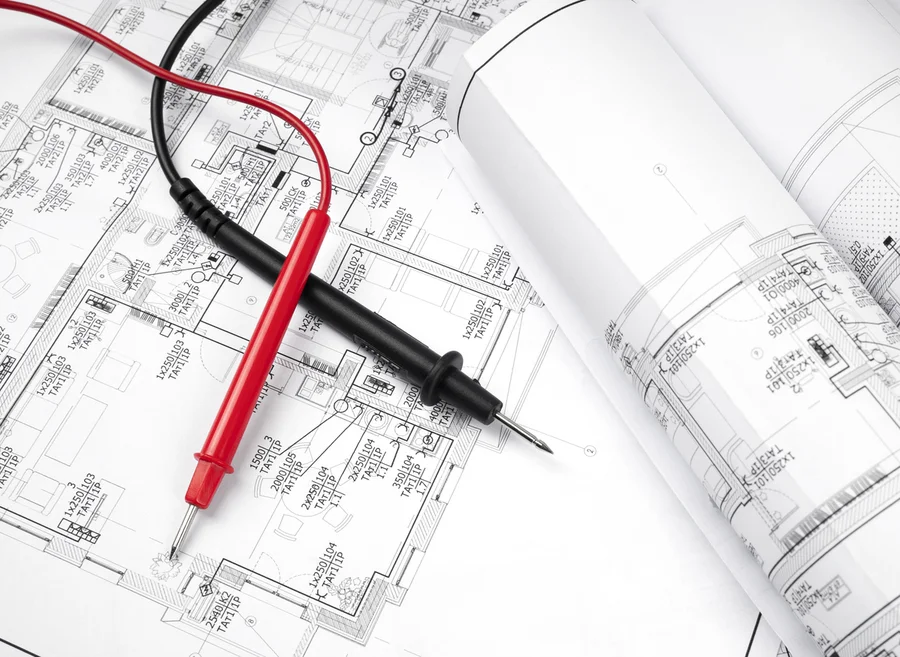
What You Need Before Starting
Before any electrical installation begins, you need clear information about your AC unit. Check the nameplate on the system. It lists voltage, minimum circuit ampacity, and maximum breaker size. These numbers guide the wiring plan.
You will also need:
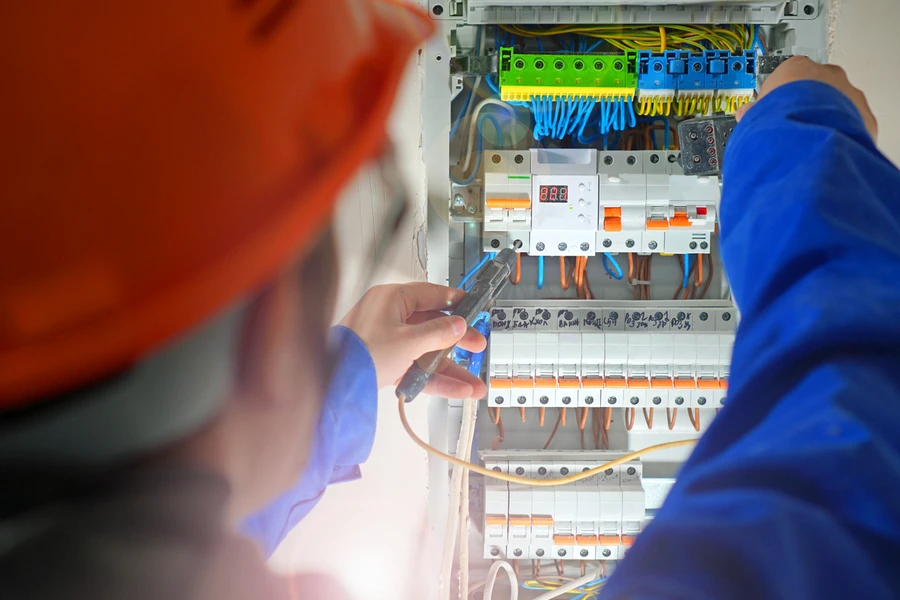
- The correct wire gauge based on amp load
- A dedicated circuit breaker in the main panel
- An outdoor disconnect box near the condenser
- Proper grounding materials
- Basic electrical tools and safety gear
Many central AC systems run on 208/230 volts. Smaller window units may use 120 volts. Using the wrong voltage can damage the system right away.
Step-by-Step Electrical Installation Process
Every home layout is different, but the general steps usually follow this order:
- Turn off main power at the breaker panel.
- Install a dedicated breaker sized to the AC rating.
- Run the correct gauge wire from the panel to the disconnect.
- Mount the disconnect box within sight of the outdoor unit.
- Connect wiring from the disconnect to the condenser.
- Secure and ground all connections properly.
- Turn power back on and test voltage and operation.
The dedicated circuit is very important. An air conditioner should not share a circuit with lights or outlets. Shared circuits often cause breaker trips during peak summer use.
Common Mistakes to Avoid
Even small wiring errors can create big problems later. Here are frequent mistakes seen during electrical installation work:
- Using wire that is too small for the load
- Installing the wrong breaker size
- Skipping the outdoor disconnect
- Poor grounding connections
- Loose terminal screws inside the panel
For example, if a unit requires a 30-amp circuit and someone installs a 20-amp breaker, the breaker will trip often. On the other hand, using a breaker that is too large can allow wires to overheat before the breaker shuts off.
When to Call a Professional
Basic window units may be simple, but central air systems are more complex. If the project requires running new wiring through walls, upgrading the main panel, or installing a 240-volt circuit, professional help is often the safer choice.
You should also get expert help if:
- Your breaker panel is already full
- Your home has older aluminum wiring
- The lights dim when large appliances turn on
- You are unsure about load calculations
Homes with outdated panels may need a service upgrade before adding a new AC system. This is common in older houses where the original panel was not designed for modern cooling demands.
Final Recommendation and Next Steps
A safe and code-compliant electrical installation protects your home and your cooling system. Taking the time to choose the correct breaker, wire size, and disconnect setup reduces breakdowns and safety risks. If you are planning a new AC setup in Baton Rouge, LA, it helps to have the wiring checked before summer heat arrives. Our team at Mighty Services Baton Rouge handles AC power connections, panel upgrades, and full system wiring with safety as our top goal. Call us at (225) 230-7915 to schedule service or ask questions about your upcoming project.